( 1 ) What were your first Impressions of the project?
When Tyler wrote me about this project, I had a WOW moment and immediately said yes. True, the two-week timeline is a bit daunting, but the concept and format of this project are so well-made that it’s difficult not to be intrigued. What ultimately attracted me is that this is a really rare treat: a meaningful collaboration with so many amazing artists I admire. Art making for me is often an act of solitude, sitting in front of a keyboard and screens, having a conversation with myself. But this is different. I remember being super excited to learn more about each other’s art styles, creative flows, and even programming habits.
When I first read Juan’s code, I was drawn to the balanced composition and the sophisticated use of patterns. Stripes and points are frequently used in all sorts of visual materials in our everyday life, but Juan made them surprising: I stared at the outputs for a long time and enjoyed reading the code.
( 2 ) What surprised you?
The biggest surprise I got from the project is how much I enjoyed the 2-week time limit. I was very concerned about the time limit, not only because 2 weeks are very short, but also because I had other commitments at the same time. But this tight deadline magically cleared my mind and gave me some high-quality production time: I was in the flow and made decisions without overthinking. Instead of feeling exhausted or burned out after the two weeks, I actually felt great and was even tempted to create more time-restricted projects like this.
( 3 ) What was your creative process?
I was very conscious about the time limit, so I started sketching several hours after I received Tyler’s email. I reviewed all previous work and focused on Juan’s system. I developed a set of sketches, identified the main components I was going to implement, and wrote a plan itemized by date. Like day 1: set up the environment; day 2: figure out the main structure. The first day was filled with nervous energy, but the following days were so enjoyable. I basically locked myself in front of my screens and followed my instinct. I was so curious about what I could do next. It’s like climbing a mountain; the initial part is scary, but you gradually find your breath and start to enjoy the view. By day 6 or day 7, to my surprise, the main structure was done. I spent the following days tweaking parameters and adjusting details. On the last day, I went through about a thousand outputs to find the one, which turned out to be the most challenging step in the process.
( 4 ) What did you change and why?
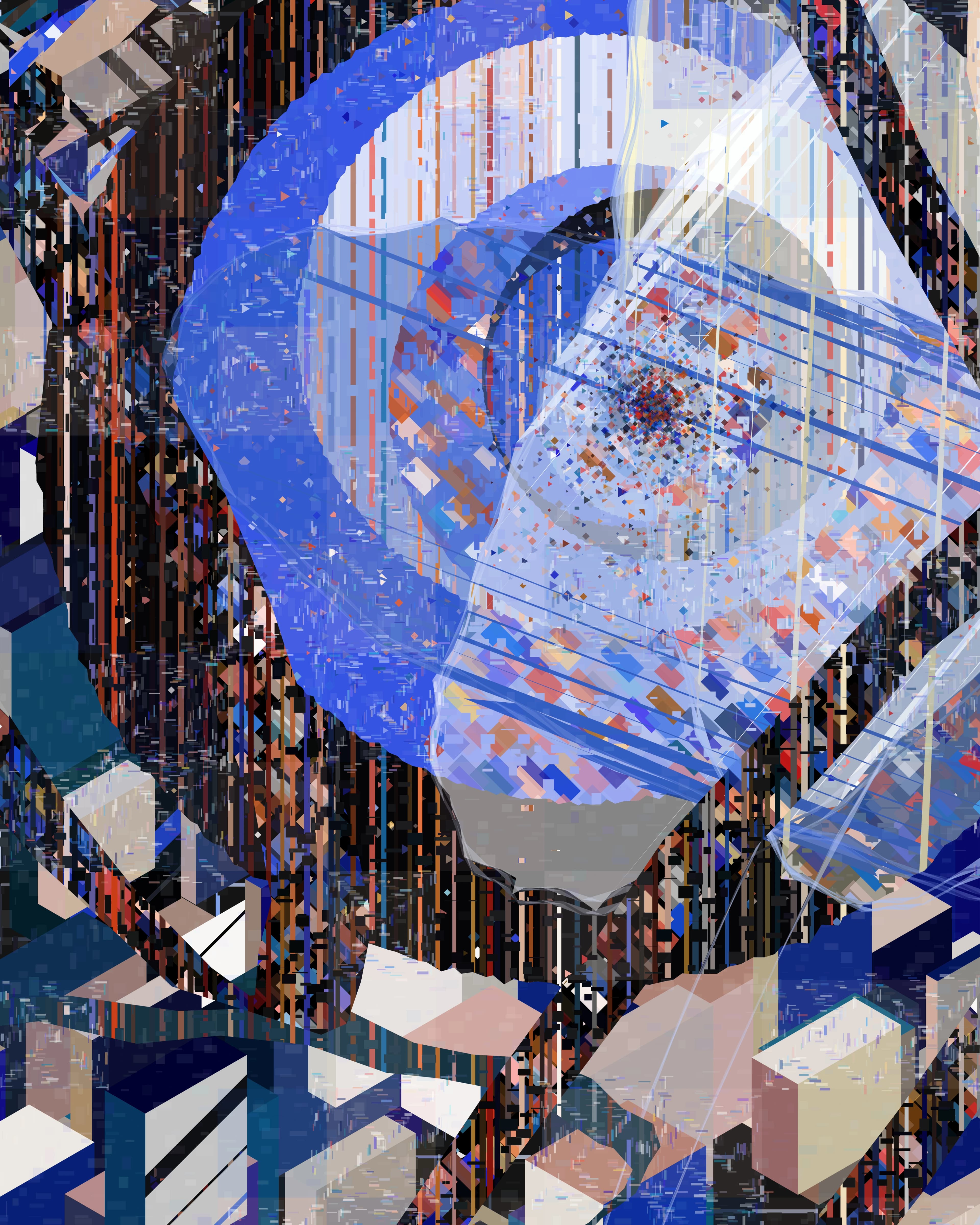
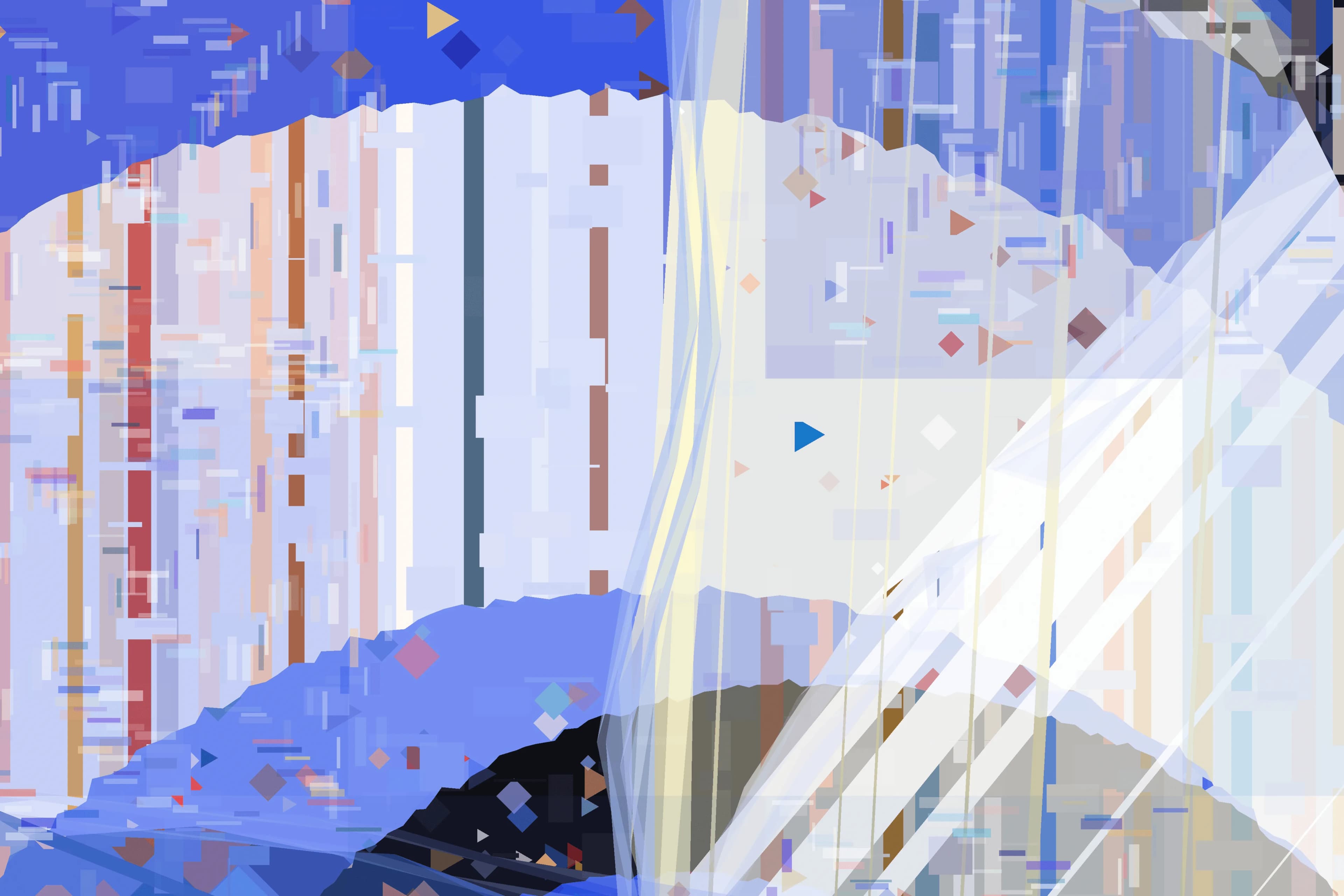
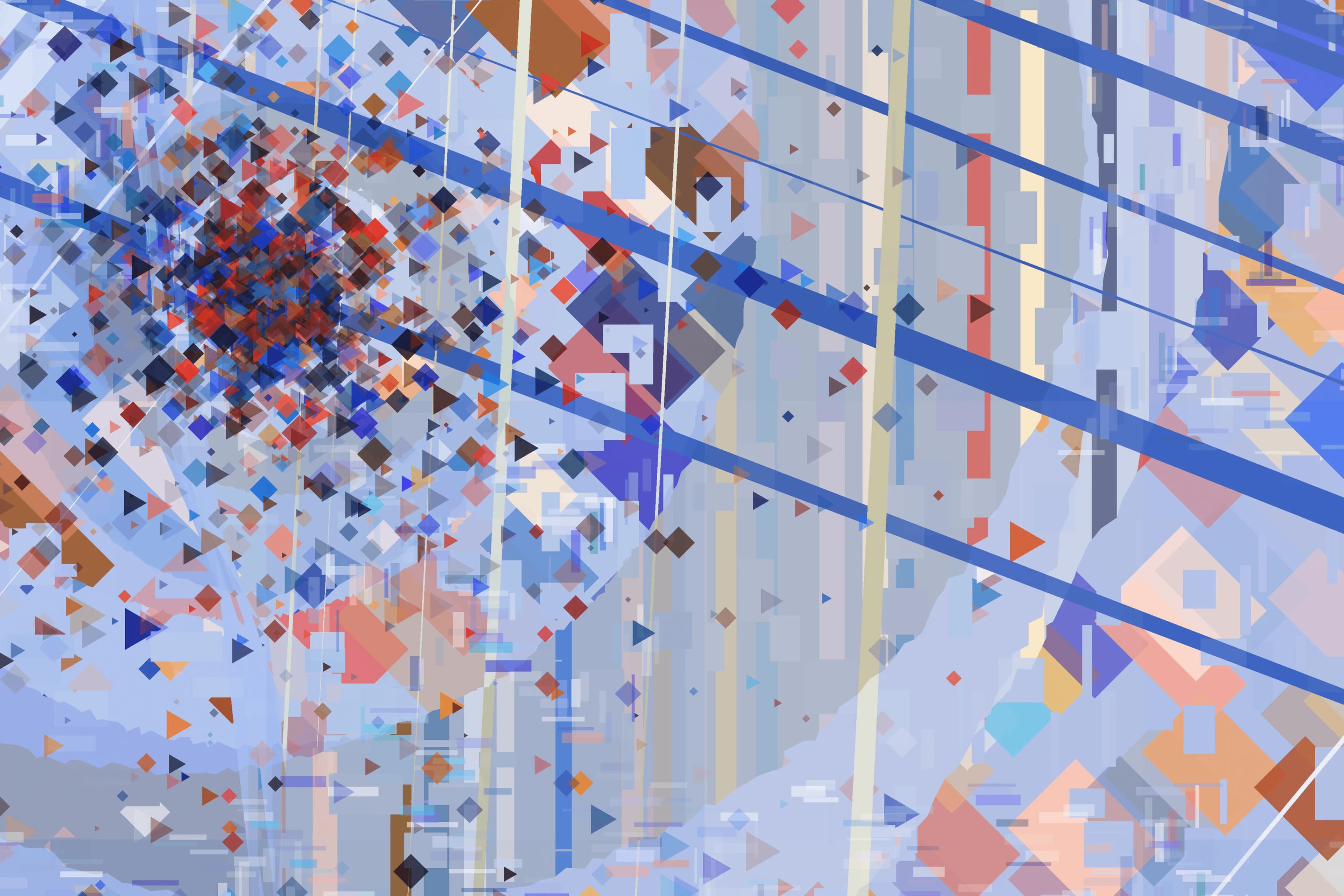
When I was creating the piece, I didn’t necessarily think about what I was changing. I just focused on creating something that feels right to me. I picked directions without being too concerned about how my piece would be similar or different from the previous pieces. I didn’t have the right words to describe the piece. However, after seeing thousands of outputs in the last few days, it became clear to me that the main vibe that I added to my piece was chaos. I played with several seemingly organized, structured patterns, like grids, straight lines, and rectangles, but in the end, I always introduced mechanisms to break them up and make them chaotic. These decisions were made intuitively. I think I just enjoy the energy that comes from complicated, almost messy things.
( 5 ) What did you keep and why?
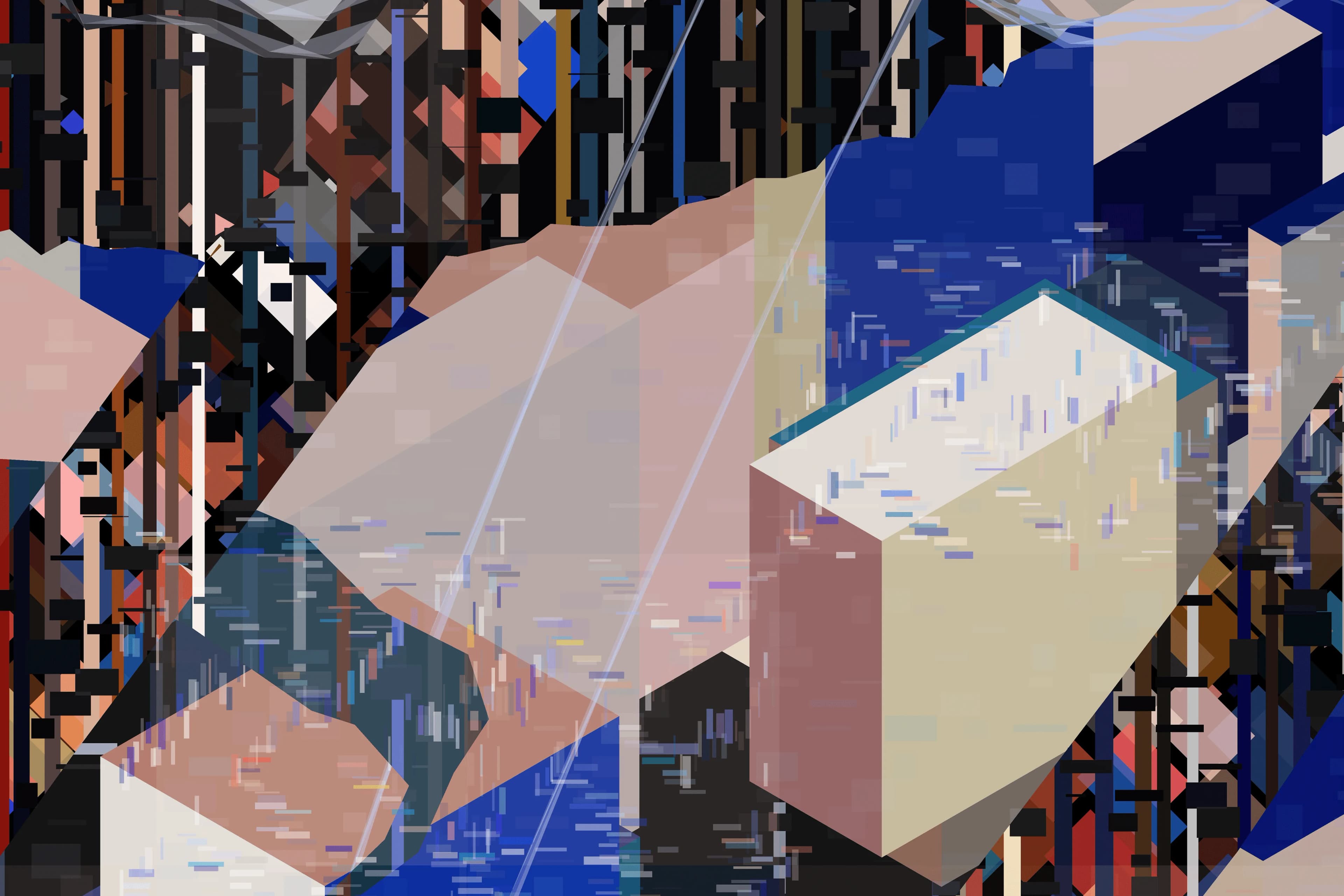
The project created an opportunity for us to have a dialogue. Unlike a verbal dialogue, this dialogue was made through systems, codes, and visuals. I felt the need to continue the dialogue established by previous artists. I searched for the common "topics" that I think the previous artists were interested in. I decided to continue exploring perspectives. In a literal sense, I intentionally added isometric views in my work. On a more conceptual level, I loved imagining that all of us (artists) were viewing the same scene or object, but each from a different perspective and through a unique lens. In addition to continuing the discussion of perspectives, I drew inspiration from many elements of Juan’s work. For instance, the use of parallel hatch lines, point noise, and the dominating circle geometry.
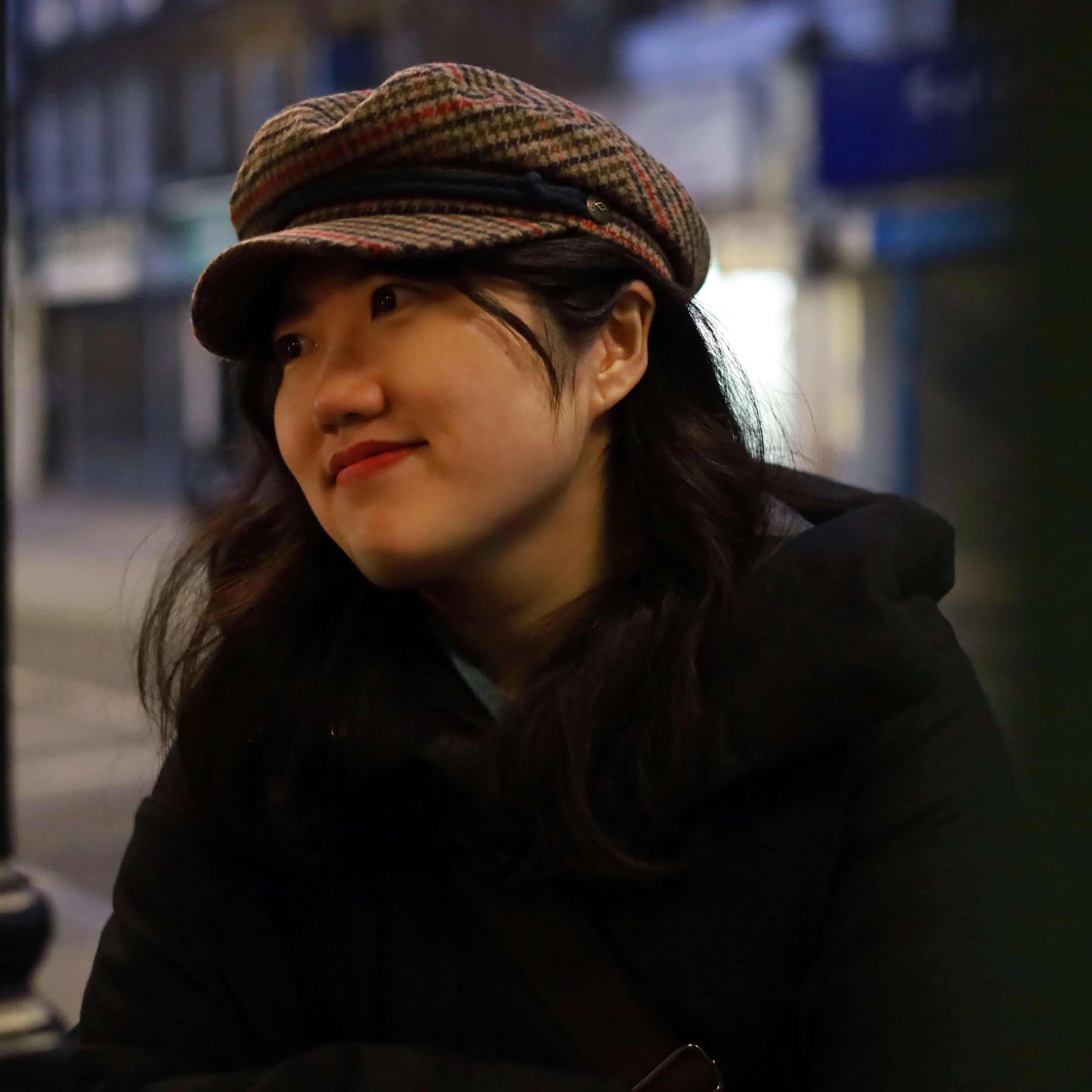
Shiqing (Licia) He is a Chinese generative artist and a human-computer interaction researcher dedicated to creating artistic expressions through technological innovations. Trained in studio art, computer science, and information science, Licia is passionate about building visual-generating systems that tell stories and record emotions. Fascinated by the possibilities of human-machine collaboration, Licia's explorations led her to combine generative art with robots, bridging her digital and physical painting practices through pen plotters. Her works have been exhibited and collected worldwide.